
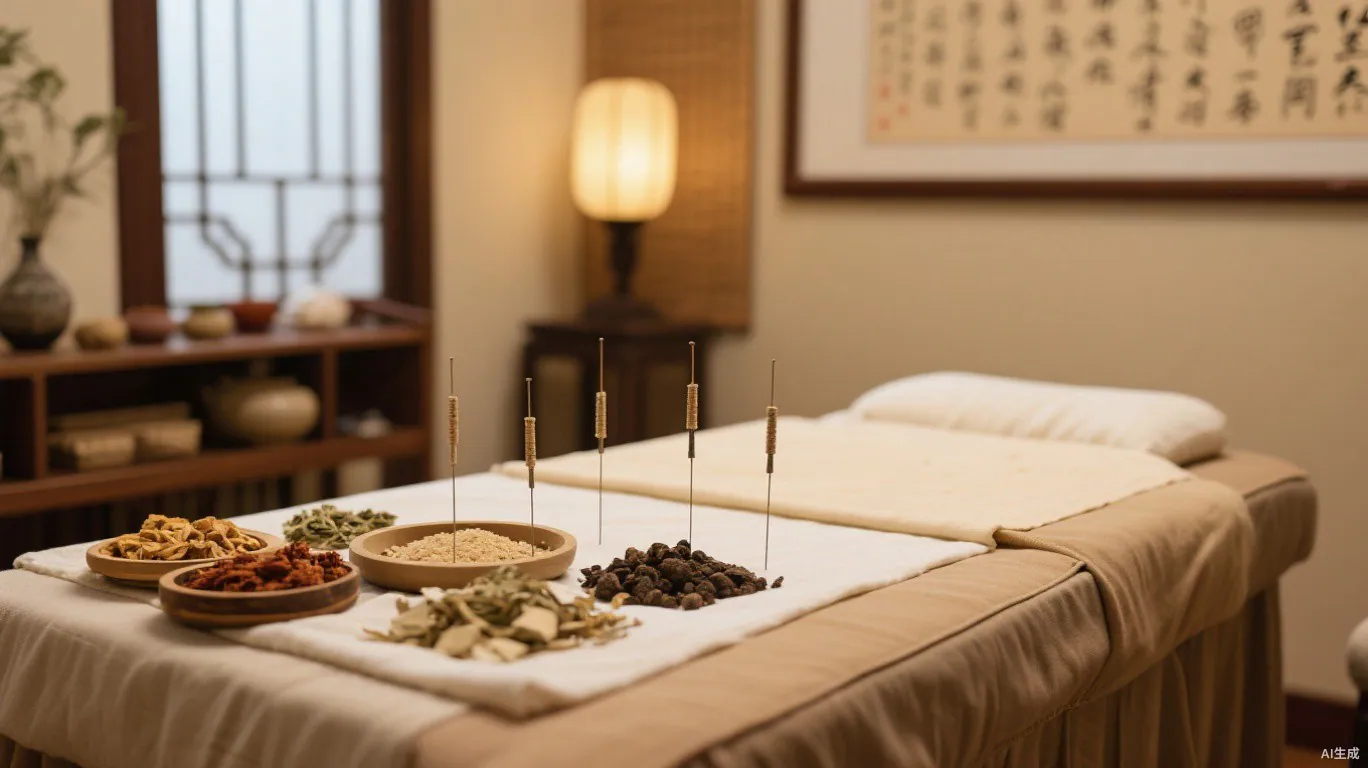
Acupuncture and tuina are not automatically safe or effective natural therapies for every postoperative patient. Some evidence suggests acupuncture may help certain pain conditions, but findings vary by procedure, symptom and study quality. Massage near surgery, clot risk or fixation requires particular caution.
Ask the surgical team first
Review wounds, infection, bleeding, platelet count, anticoagulants, fractures, implants and activity restrictions. Do not needle or massage near a wound, line, unexplained swelling, unknown pain or the surgical area without clearance.
Define a specific symptom target
Limit the goal to an observable symptom, such as a particular pain or movement problem, and set a review point. Avoid promises about circulation or accelerated tissue repair that cannot be established for the individual.
Use a qualified practitioner
Verify credentials, single-use sterile needles, records and adverse-event procedures. The practitioner should know the surgery date, medicines and hospital restrictions and be willing to communicate with the clinical team.
Stop for warning signs
Fever, wound changes, bleeding, chest pain, breathlessness, one-sided swelling or neurological symptoms require the hospital pathway, not massage or acupuncture.
Before starting
- Surgical-team agreement
- A clear symptom target
- Qualified practitioner and sterile practice
- Medicine, wound and implant information
- Stopping rules and emergency route
Primary sources
Sources were checked on the review date shown above.