
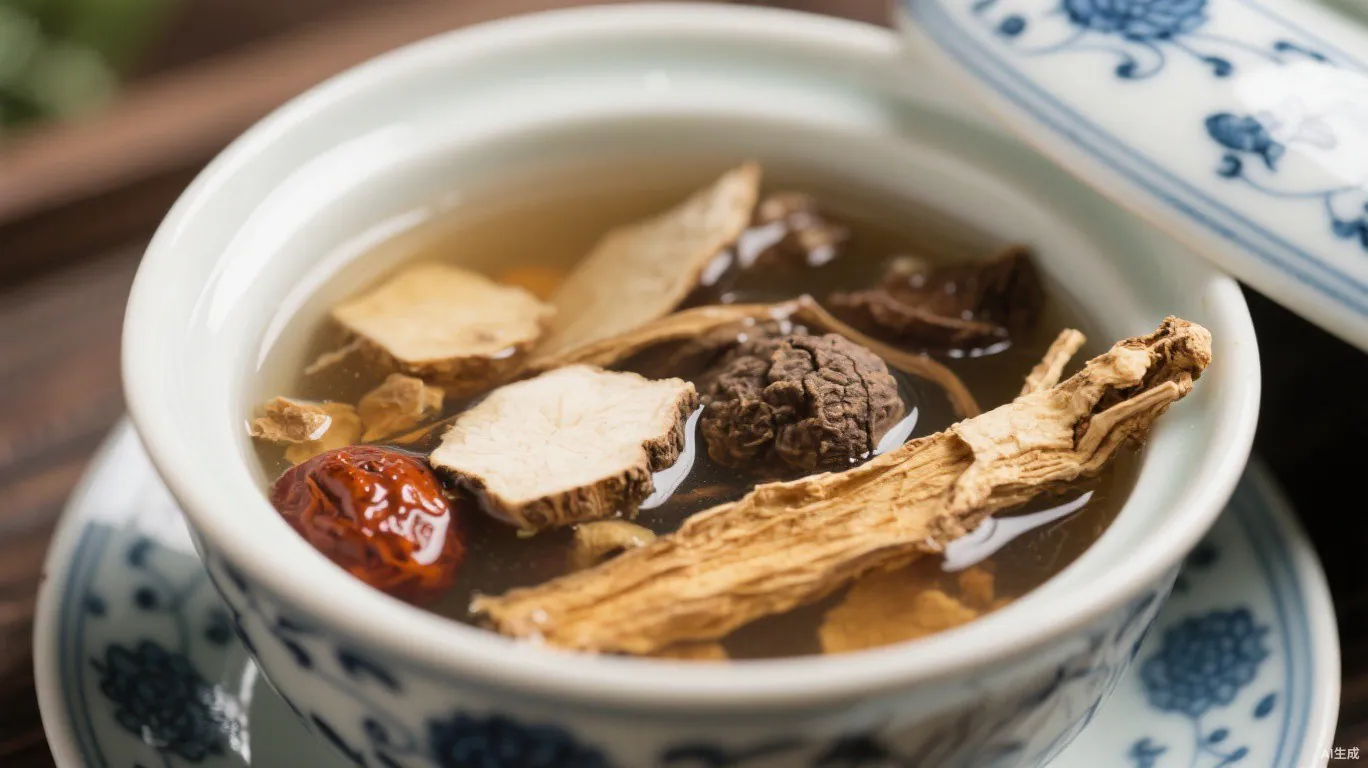
Lingnan soups and herbal dishes are a distinctive food culture, but natural does not mean safe for everyone. Herbs, supplements and concentrated ingredients can interact with medicines and may be unsuitable during pregnancy, with liver or kidney problems, or for people with allergies.
Return to balanced eating
Everyday meals should begin with variety, regular timing, moderation and hygiene. Herbal dishes cannot replace staple foods, protein, fruit, vegetables or a clinical nutrition plan, and should never delay diagnosis or treatment.
Ask for the complete ingredient list
Check herbs, alcohol, seafood, nuts, sugar, salt and preparation method. A recipe that hides ingredients or doses behind a secret formula is a poor choice during a medical journey.
Tell the clinical team what you consume
Include herbs, supplements, teas and medicinal dishes on the medicine list. Anticoagulants, immunosuppressants and cancer treatments may be particularly sensitive to interactions.
Separate culture from efficacy
It is appropriate to discuss ingredients, seasons, cooking and family traditions. It is not appropriate to promise detoxification, cancer treatment, immune enhancement or cures. Stop and seek help if symptoms occur.
Safer ordering checklist
- Full ingredients and allergens
- Alcohol, herbs or high-dose supplements
- Ability to reduce salt, sugar or change texture
- Clinical team aware of all herbs and supplements
Primary sources
Sources were checked on the review date shown above.