
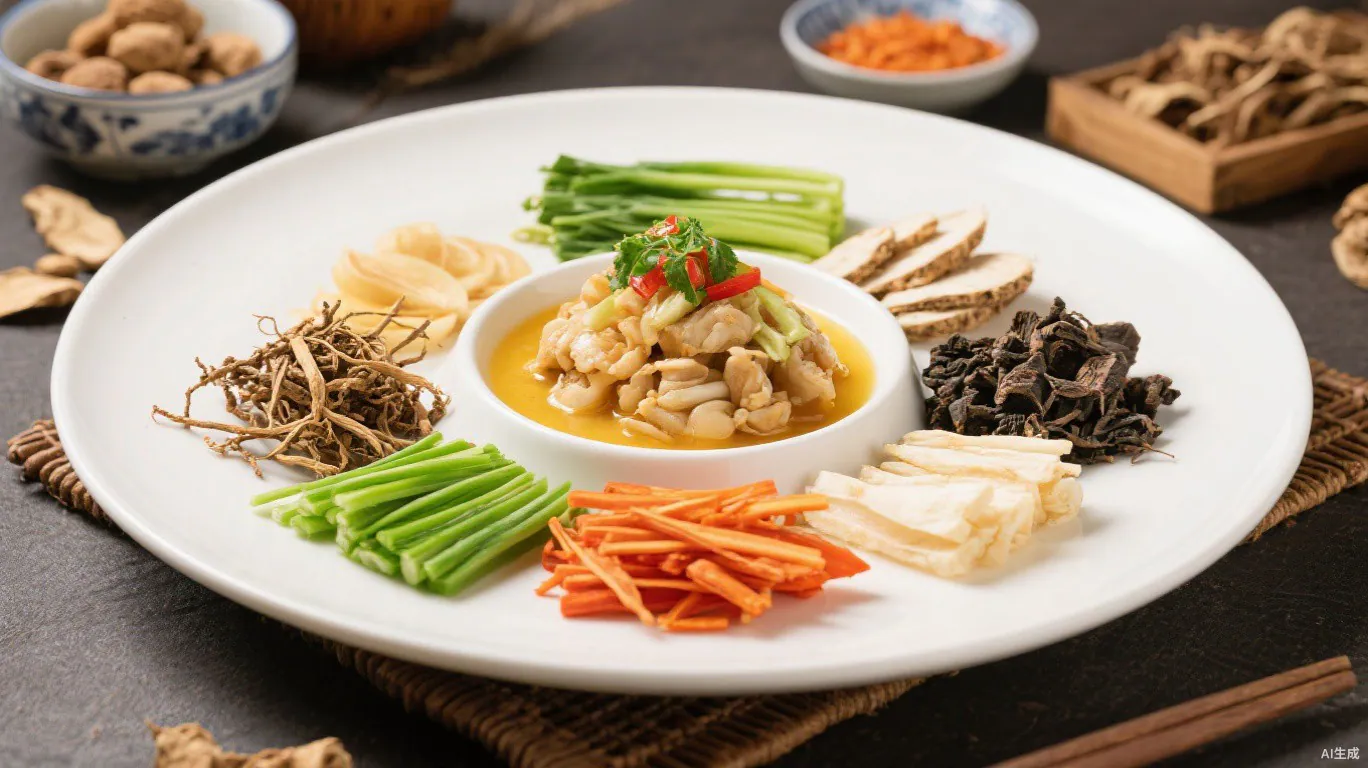
Seasonal eating can reflect Lingnan ingredients and cooking traditions, but a universal recipe should not be presented as a therapeutic prescription. Health goals, diagnoses, allergies, medicines, pregnancy and nutritional status change what is appropriate.
Use balance as the foundation
Food variety, regular meals, moderation and hygiene matter more than a single tonic. Seasons may influence ingredients and cooking temperature, but they do not replace basic nutrition principles.
Count culinary herbs as part of medicine use
Herbs, tonics and concentrated ingredients in soup may interact with treatment or cause adverse effects. People taking medicines, receiving cancer care, pregnant, or with liver or kidney problems should ask a clinician or pharmacist.
Avoid self-diagnosis by constitution
Using broad labels such as internal heat or weakness to justify long-term supplements may hide a condition that needs assessment. Persistent symptoms require medical evaluation; food therapy is not diagnosis.
Overseas visitors should confirm ingredients
Ask about herbs, alcohol, seafood, nuts, salt, sugar and food handling. Use a written dietary card when language is uncertain, and avoid soups whose ingredients cannot be explained.
A safer seasonal table
- Varied ordinary seasonal foods
- Clinician-directed salt, sugar and texture
- All herbs and supplements disclosed
- Documented allergies and intolerances
Primary sources
Sources were checked on the review date shown above.