
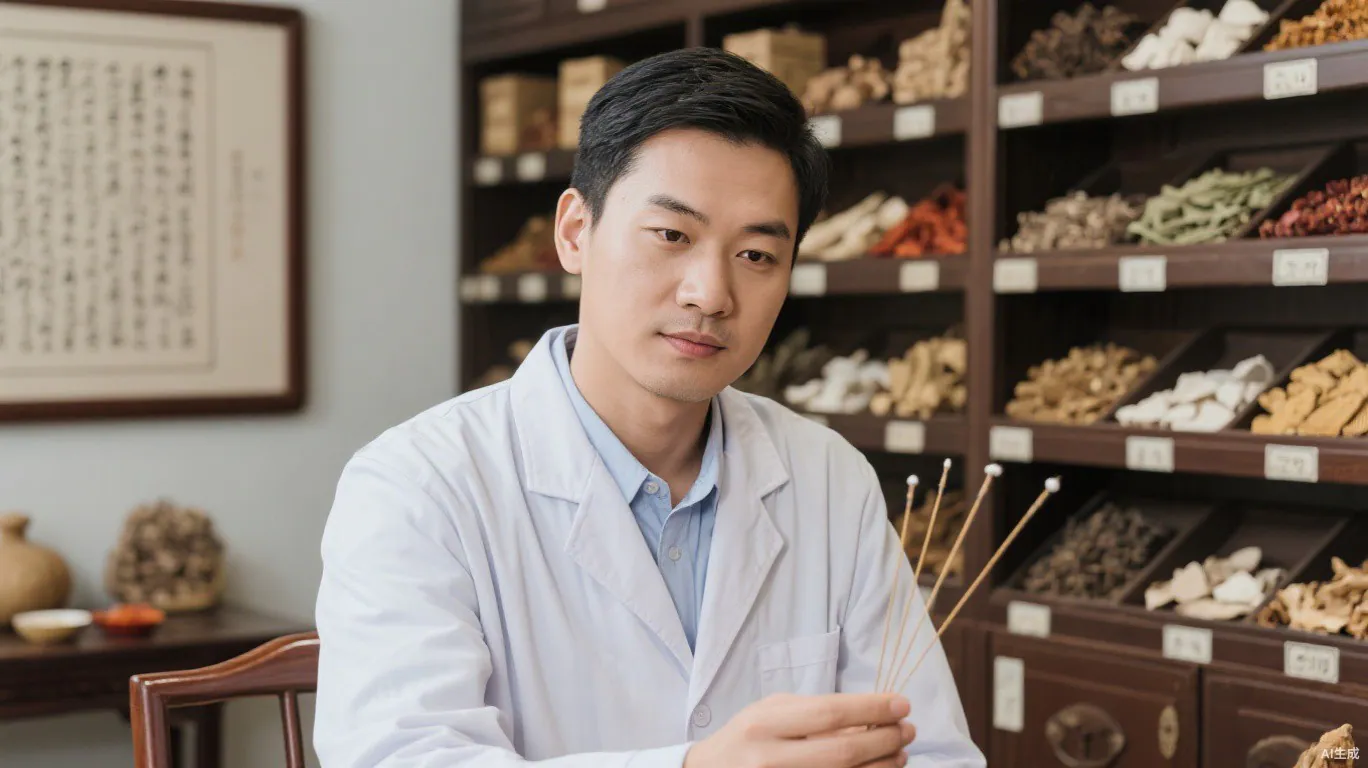
Integrative cancer care should not be promoted as a unique advantage or a guaranteed improvement in quality of life. The safer approach is for the patient, oncology team and qualified TCM practitioner to share complete information and assess whether a complementary method can support a specific symptom.
Standard treatment remains central
Surgery, radiotherapy, chemotherapy, targeted therapy and immunotherapy are planned by the oncology team according to diagnosis and evidence. Herbs, acupuncture and other approaches must not replace or delay recommended treatment.
Put every product on the medicine list
Herbs, patent remedies, supplements, teas and topical products may interact with care or have quality risks. Tell the oncologist, anaesthetist and pharmacist rather than omitting something because it is natural or family-recommended.
Set a clear supportive goal
For acupuncture or another supportive approach, define the symptom, acceptable risk, review point and stopping rule. Evidence varies by symptom and method and cannot be generalised into anti-cancer claims.
Use qualified practitioners and regulated products
Verify credentials, sterile practice, product source and adverse-event reporting. Low platelets, infection risk, lymphoedema and other conditions require extra caution.
Bring to a joint discussion
- Complete diagnosis and cancer plan
- All medicines, herbs and supplements
- The specific symptom to address
- Adverse effects and stopping rules
Primary sources
Sources were checked on the review date shown above.