
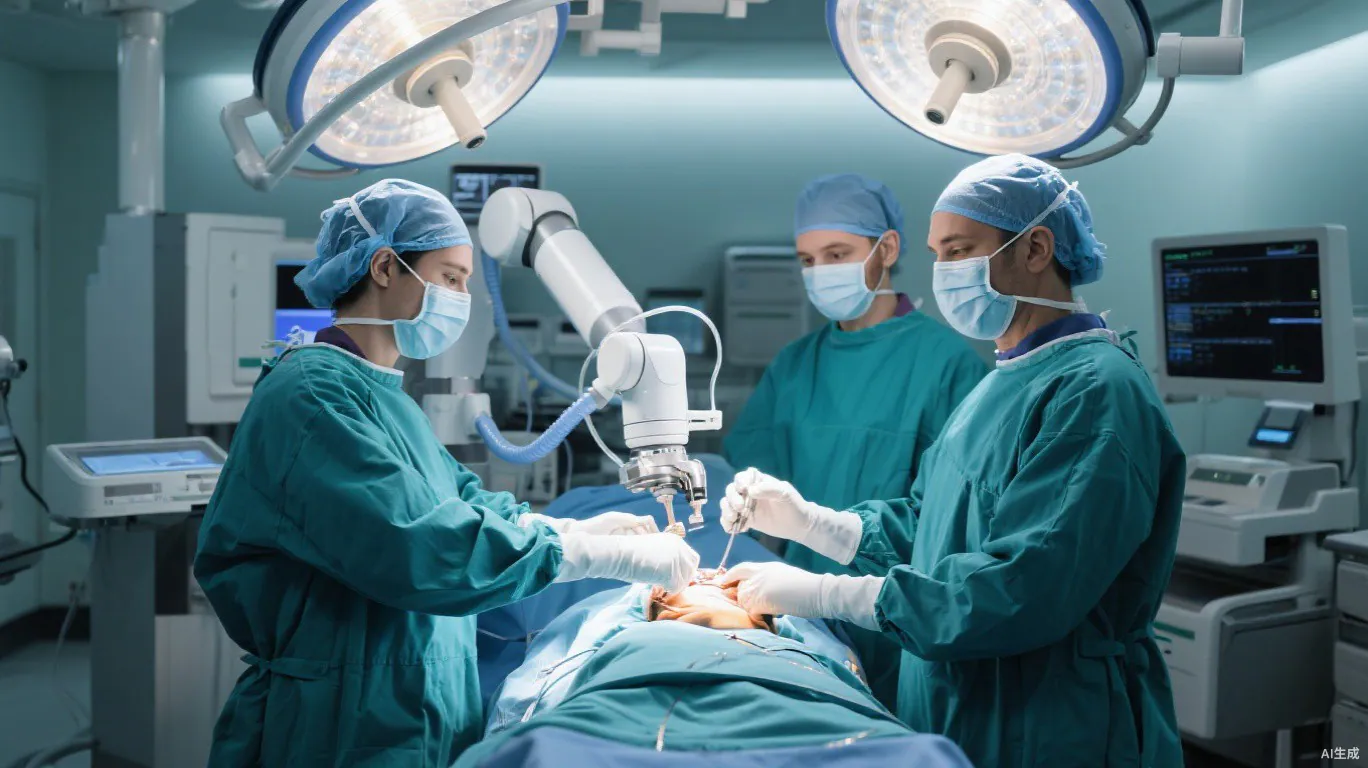
Robot-assisted surgery uses a computer system controlled by a trained surgeon; the device does not operate independently. It may facilitate some minimally invasive tasks, but smaller incisions, faster recovery or better outcomes cannot be promised for every patient.
Ask about indication before the device
Discuss why the approach is suitable for the specific condition, what open or conventional laparoscopic alternatives exist, and whether evidence applies to this procedure. Advanced equipment does not replace a complete risk-benefit discussion.
Understand team experience
Ask about the surgeon's training, experience with similar cases, the wider team and the plan if conversion to open surgery is required. Outcomes depend on the team, systems and hospital as well as the device.
Check hospital support
Confirm anaesthesia, intensive care, blood bank, pathology, imaging, infection control and complication management. Overseas patients should also clarify inpatient communication, costs, follow-up and continuity at home.
Expect individual informed consent
Consent should cover expected benefits, common and serious risks, alternatives and the consequences of no treatment. Do not decide from words such as precise, scarless or guaranteed success.
Questions for the consultation
- Why this approach rather than an alternative?
- Relevant experience of the surgeon and team
- Plan for complications or conversion
- Complete costs and follow-up scope
Primary sources
Sources were checked on the review date shown above.